When Drone Batteries Run Out: The Military's Field Recharging Challenge
Article Excerpt
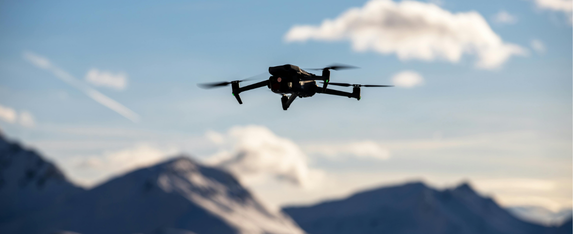
Military drones play an important role in reconnaissance and surveillance, but keeping them powered between missions remains challenging. With limited charging infrastructure and complicated field logistics, military units need practical ways to support repeated flights. Mobile power systems bring charging capabilities closer to where drones operate.
Key Takeaways
- Drone endurance extends beyond flight time. Reliable recharging and redeployment determine whether aircraft can support repeated missions.
- Field charging creates logistical demands. Spare batteries, generators, fuel, and charging equipment all add to the burden on deployed units.
- Distributed power reduces dependence on centralized infrastructure. Mobile energy systems can support charging closer to where operations occur.
- Autonomous operations require dependable power. Launch, recovery, docking, and recharging must work together to sustain UAS availability.
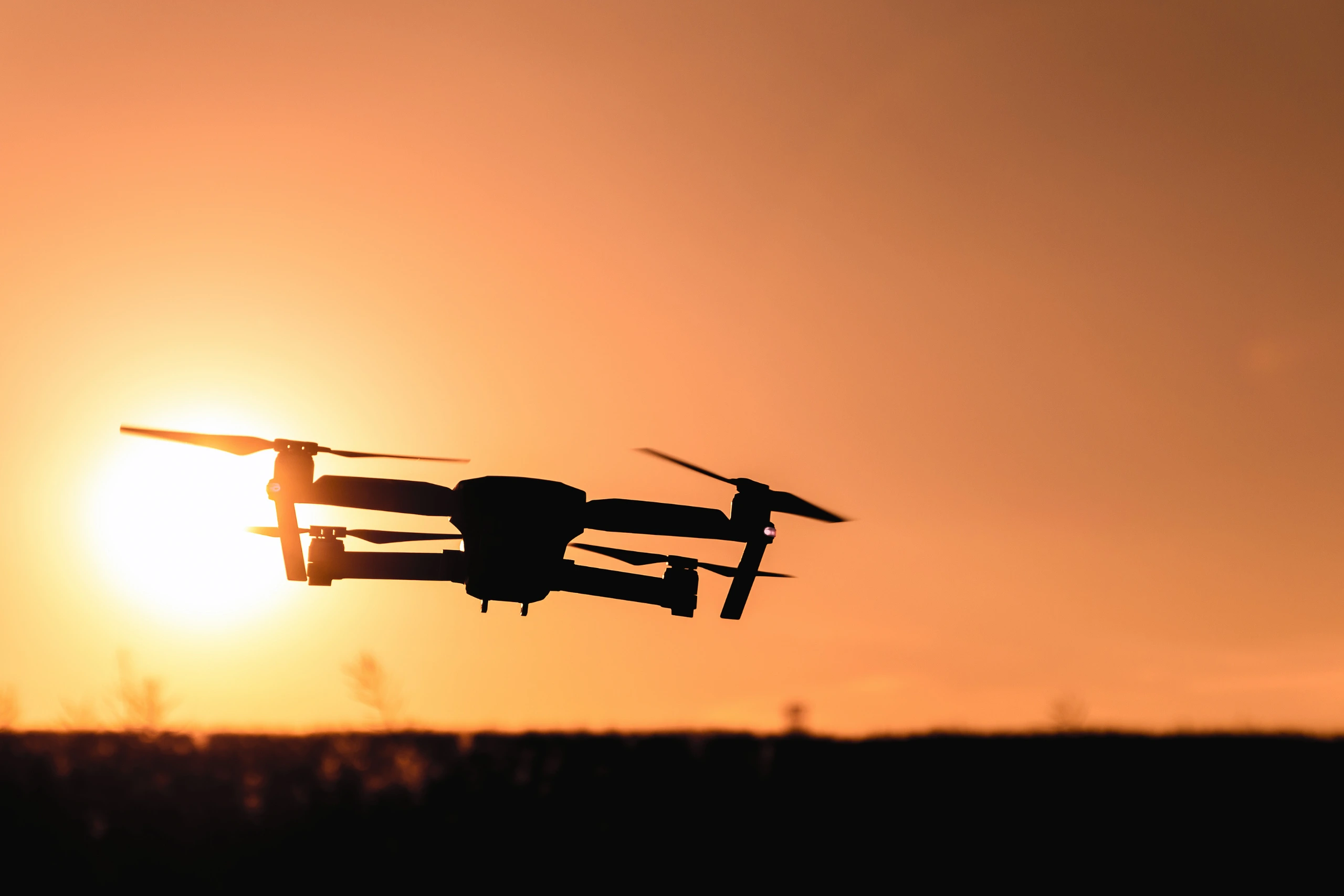
- Sesame Solar addresses the broader operational challenge. Its Persistent Drone Operations Nanogrid combines mobile power with autonomous launch-and-recovery technology to support repeated missions.
Drones have become essential to modern military operations. They help troops monitor enemy movements, assess terrain, identify potential threats, and gather intelligence without putting personnel directly in harm's way. But even the most capable drone has a basic limitation: its battery will eventually run out.
For military units operating in remote or contested environments, getting that drone back in the air isn't always straightforward.
A recent U.S. Army article on battlefield energy put the problem plainly:
“A drone launch team without recharge capability becomes irrelevant after its first sortie.”
The observation, highlighted in a U.S. Army discussion of battlefield energy, points to a challenge that receives less attention than advances in drone technology itself. A drone may be capable of a successful reconnaissance mission, but its value to the unit depends on whether it can be redeployed when needed.
As unmanned aircraft systems (UAS) take on more responsibilities in military operations, recharging and sustaining them in the field is becoming as important as their flight capabilities.
The Problem Isn't Just Flight Time
Drone manufacturers have made significant advances in battery performance, flight endurance, and autonomous operations. Yet most small electric drones still operate within relatively limited flight windows, depending on their design, payload, weather conditions, and mission requirements.
For military units, this creates an operational challenge.
A drone may complete its first surveillance flight, return safely, and still be unavailable for the next mission because it needs to recharge its batteries. Spare batteries can help, but they only postpone the problem if there is no reliable way to replenish them.
Consider a small unit conducting reconnaissance in an area without established electrical infrastructure. The team may need to launch drones repeatedly throughout the day to maintain situational awareness. Each flight consumes energy, and every battery change or charging delay can interrupt operations.
The challenge grows more serious when multiple drones share the same charging equipment or when missions require extended observation.
Keeping a drone airborne for one mission differs from sustaining operations over an entire deployment.
This distinction is central to persistent drone operations. Mission continuity depends on more than the aircraft. It requires a dependable system for power, charging, recovery, and redeployment.
Field Recharging Creates Another Logistics Burden
Military units already manage complex supply requirements, including fuel, food, water, ammunition, communications equipment, and medical supplies. Widespread drone deployment adds batteries and charging infrastructure to that list.
A unit operating away from a permanent installation may rely on portable generators, vehicle electrical systems, spare battery inventories, or other temporary power sources.
Each option comes with limitations.
Generators require fuel and maintenance. Vehicle-based charging can tie drone operations to available vehicles and their electrical capacity. Carrying additional batteries increases the equipment a unit must transport, while batteries that cannot be recharged eventually become another logistical constraint.
The issue isn't simply finding enough electricity. It's having power available where and when missions demand it.
In remote locations, frequent resupply may be difficult. In contested environments, dependence on centralized charging locations or predictable supply routes can introduce additional operational vulnerabilities.
The U.S. Department of Defense has long recognized the importance of reducing operational energy burdens. Its broader federal energy resilience efforts also reflect the value of reliable, distributed power, particularly where conventional infrastructure is unavailable or disrupted.
For drone teams, reducing dependence on frequent fuel deliveries and distant charging locations can help make repeated missions more practical.
Why Distributed Power Matters for Military Drone Operations
Traditional power infrastructure isn't always available where military drones are needed most.
A forward operating location, temporary observation post, or rapidly established deployment site may have limited access to electrical power. Even when a larger installation has generators or other energy resources, moving batteries back and forth for charging can consume valuable time and personnel.
Distributed power offers another approach.
Rather than relying entirely on a centralized source, smaller power systems can be positioned closer to where drones operate. These systems can support charging and other electrical requirements at remote locations, reducing the need to return to established infrastructure for every recharge.
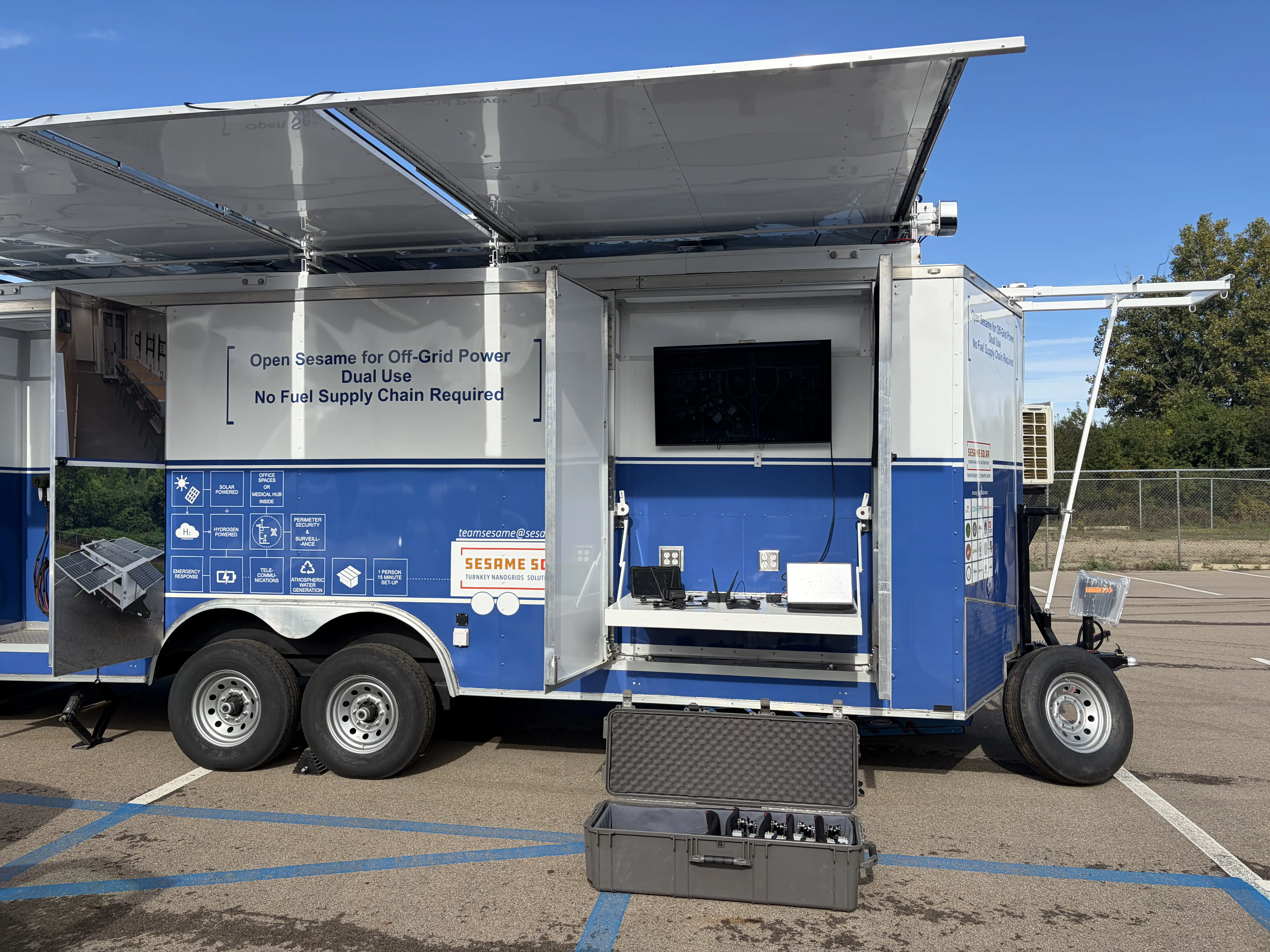
Mobile Nanogrids are particularly relevant because they combine local energy generation, storage, and power management in systems designed for deployment away from the conventional grid.
For military applications, the potential benefits include greater flexibility in positioning drone operations, less dependence on fuel-based power generation, and improved access to electricity for repeated missions.
Supporting Repeated Drone Missions with Mobile Nanogrids
Solving the recharging problem requires looking beyond individual batteries to the drone's entire operating cycle.
Sustainable field deployment needs enough power to charge aircraft, plus the equipment required to prepare, launch, recover, and redeploy drones.
This is the challenge Sesame Solar's Persistent Drone Operations Nanogrid addresses.
The system supports repeated UAS missions by bringing deployable power infrastructure closer to the point of operation. Rather than treating charging as a separate activity at a distant facility, it integrates energy support into the broader drone deployment environment.
As discussed in Microgrid Knowledge's coverage of the nanogrid-powered drone system, the approach addresses the growing need for reliable power to sustain military drone operations.
The goal isn't to make an individual drone fly indefinitely. It's to reduce the interruptions between missions by supporting charging and redeployment in the field.
That distinction matters for intelligence, surveillance, and reconnaissance (ISR) applications, where the value of a drone system often depends on how consistently it can provide information.
It also matters for autonomous drone docking and launch-and-recovery systems, which need dependable electrical power to operate without constant manual intervention.
From Individual Sorties to Sustained Operations
The growing use of drones is changing how military units think about power.
In the past, portable electrical systems primarily supported communications, lighting, computing equipment, and other established field requirements. Today, UAS charging is becoming another important part of that energy demand.
As more aircraft are deployed, units must account for how often they fly, how quickly batteries can be recharged, and whether charging infrastructure can support multiple missions.
A drone that completes one successful flight is useful. A drone system that can support repeated missions throughout an operation provides a different level of capability.
Achieving that requires coordination among aircraft, charging systems, energy storage, and the personnel or autonomous systems that keep everything running.
For military planners, this makes field power infrastructure part of the UAS operational plan rather than an afterthought.
The Army's warning about a drone team becoming irrelevant after its first sortie is a reminder that technology is only as effective as the support systems behind it.
As military drone operations expand, the question is no longer simply how far or how long a drone can fly. It is also how reliably that drone can be ready for its next mission.
Learn more about how Sesame Solar's Persistent Drone Operations Nanogrid supports field-based UAS charging and repeated drone deployments.

Frequently Asked Questions
Why is drone battery charging a challenge for military operations?
Military drones often operate in remote areas without reliable access to electricity. Batteries must be recharged or replaced between missions, creating logistical challenges for units that need repeated flights.
How are military drones recharged in the field?
Depending on the aircraft and operating environment, military teams may use portable generators, vehicle power systems, spare batteries, or mobile power stations. Off-grid systems that combine energy generation and storage offer another option.
What is the difference between drone flight endurance and persistent drone operations?
Flight endurance refers to how long an individual drone can remain airborne. Persistent drone operations involve sustaining repeated missions through coordinated charging, launch, recovery, maintenance, and redeployment.
Can mobile Nnanogrids support military drone charging?
Yes. Mobile Nanogrids can generate and store electricity at remote locations, supporting compatible drone chargers, batteries, and other field equipment without requiring a permanent grid connection.
How does Sesame Solar support persistent drone operations?
Sesame Solar's Persistent Drone Operations Nanogrid combines solar and hydrogen power with battery storage, Target Arm's autonomous launch-and-recovery technology, and AG3 Labs' UAS platform to support repeated drone missions.
