What Is Mission-Critical Power? Why Reliable Energy Matters When Operations Cannot Fail

Mission-critical power is more than backup electricity. It is the energy foundation that allows emergency responders, defense teams, healthcare providers, utilities, telecom operators, and communities to continue operating when failure is not an option. As outages, fuel disruptions, extreme weather, cyber threats, and rising grid demand place more pressure on traditional infrastructure, organizations need power systems that are mobile, resilient, independent, and ready before the next disruption occurs.
Key Takeaways
- Mission-critical power is about continuity, not just backup electricity. It keeps essential operations running when failure is not acceptable, including emergency response, healthcare, communications, defense, water systems, shelters, and critical infrastructure.
- Power resilience must be planned before a crisis. Organizations should identify what must remain powered, how long operations must continue, where power will be needed, and whether their current systems depend too heavily on fuel deliveries or fixed infrastructure.
- Ordinary backup power is not always enough. Backup generators may support a building during an outage, but mission-critical power requires mobility, scalability, rapid deployment, off-grid capability, and the ability to operate in remote or damaged environments.
- Fuel-dependent systems can create operational risk. Diesel generators remain useful, but they rely on fuel storage, deliveries, maintenance, and logistics that can break down during disasters, remote deployments, or contested environments.
- Energy is the foundation of other critical services. When power fails, communications, healthcare, water, transportation, public safety, and emergency response can all be affected.
- Mobile Nanogrids are well suited for mission-critical environments. Sesame Solar’s Mobile Nanogrids provide rapidly deployable, off-grid renewable power using solar, battery storage, and green hydrogen, helping reduce dependence on the grid and diesel fuel supply chains.
- Defense, emergency response, healthcare, communications, utilities, and communities all need resilient power strategies. These sectors rely on dependable energy to maintain operations, protect people, and respond effectively during outages or emergencies.
- The future of mission-critical power is mobile, resilient, and self-generating. Organizations are moving beyond the “backup generator” mindset toward flexible power systems that can support operations wherever the mission goes.
Power is easy to take for granted until the moment it disappears.
For most homes and businesses, a power outage is inconvenient. For mission-critical operations, it can be dangerous, expensive, and potentially life-threatening. When emergency communications go down, medical equipment loses power, military teams lose operational awareness, or a community shelter cannot function during a disaster, the issue is no longer just electricity. It is continuity, safety, readiness, and resilience.
That is where mission-critical power comes in.
What Does “Mission-Critical Power” Mean?
Mission-critical power refers to the reliable energy needed to keep essential operations running during normal conditions, emergencies, grid disruptions, remote deployments, or crisis response. It is the power that supports the systems, people, and services that cannot afford to fail.
The U.S. Department of Energy defines electric power resilience as the ability to reduce the likelihood of long-duration outages, limit the scope and impact of outages when they occur, and rapidly restore power afterward.
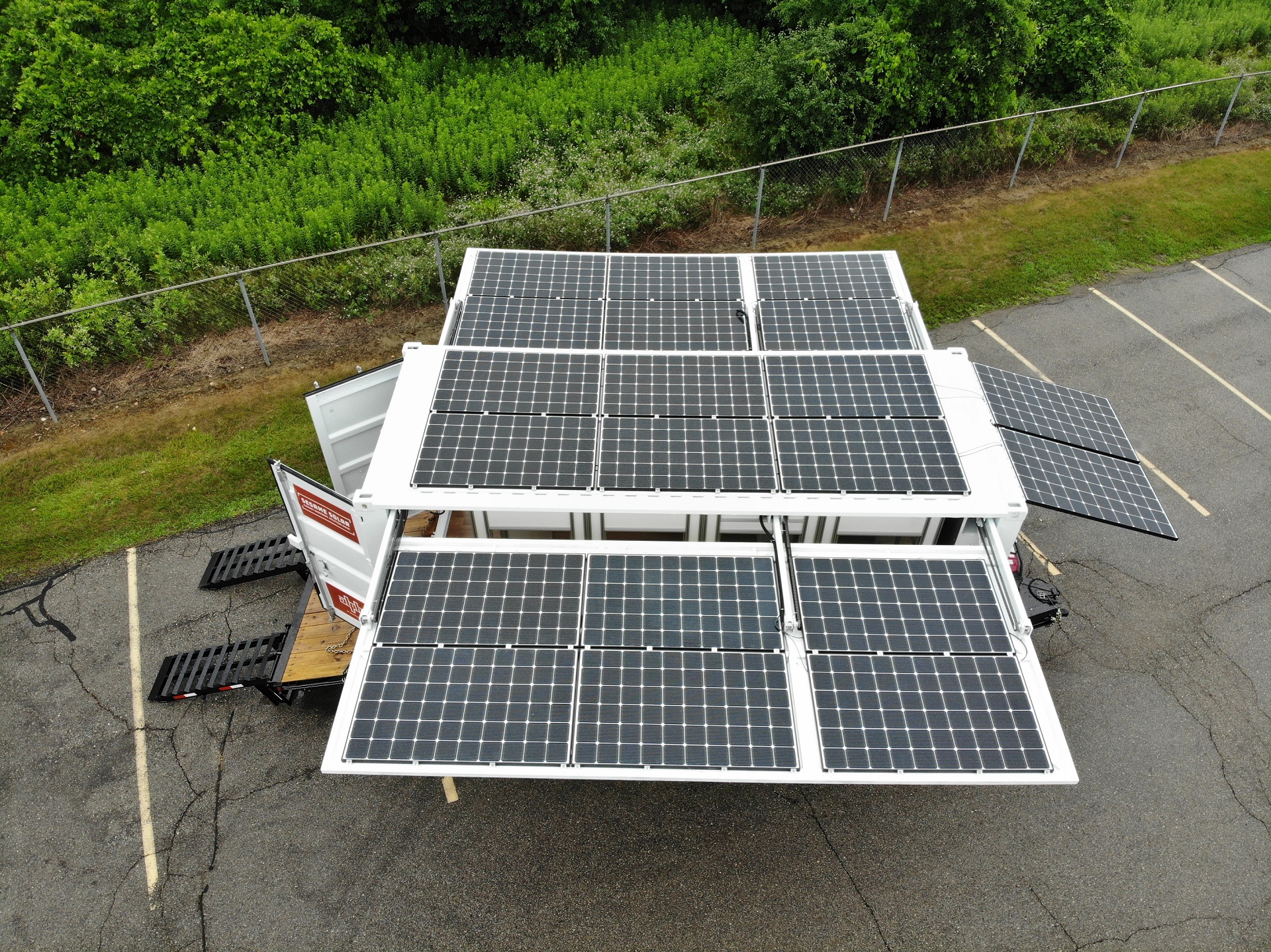
For Sesame Solar, mission-critical power means providing rapidly deployable, off-grid, renewable power through Mobile Nanogrids that can support defense, emergency response, healthcare, communications, clean water, mobile command, and other essential operations when traditional infrastructure is unavailable or unreliable.
Examples of mission-critical power needs include:
- Powering emergency shelters, mobile command centers, and first responder operations after a disaster
- Supporting forward operating bases, surveillance systems, communications, and unmanned systems in defense environments
- Keeping medical equipment, refrigeration, lighting, and patient services operational during outages
- Maintaining telecom and internet connectivity when grid infrastructure is damaged
- Providing energy for clean water, sanitation, cooling, heating, and community resilience hubs
- Supporting utilities, municipalities, tribal nations, island communities, and remote sites with off-grid energy
FEMA’s Community Lifelines framework identifies energy, communications, health and medical systems, transportation, food, water, shelter, safety, and hazardous materials as core functions that must be stabilized during emergencies. When the energy lifeline fails, other lifelines often become harder to maintain.
That is why mission-critical power planning should not begin after a crisis. It should be part of preparedness, resilience, procurement, and operational strategy.
Why Mission-Critical Power Matters More Than Ever
The traditional backup power model was built around fixed facilities, diesel generators, and fuel delivery. That model still plays an important role, but many modern missions now require something more flexible.
Organizations face a growing mix of risks: grid outages, severe weather, cyberattacks, aging infrastructure, rising energy demand, and supply chain disruptions. CISA describes the Energy Sector as uniquely critical because it enables every other critical infrastructure sector. Without power, communications, healthcare, emergency services, water systems, transportation, financial services, and government operations can all be affected.
NERC has also warned that parts of North America face increasing power reliability risks as demand rises and the resource mix changes, particularly during periods of extreme winter or summer demand.
For communities, companies, and government agencies, the takeaway is clear: mission-critical power can no longer be treated as a secondary consideration. It must be designed into operations from the start.
Mission-Critical Power Is Not the Same as Ordinary Backup Power
Backup power usually refers to an alternate source of electricity that kicks in when the grid goes down, while mission-critical power is broader.
It considers the full operating environment:
- How fast can power be deployed?
- Can the system operate off-grid?
- Does it depend on fuel deliveries?
- Can it support communications, medical, water, refrigeration, computing, or command operations?
- Can it be moved where the mission changes?
- Can it operate in remote, damaged, or austere environments?
- Can it scale from one facility to a larger response footprint?
- Can it reduce noise, heat signature, emissions, and logistics burden?
In other words, backup power asks, “What happens if the grid fails?”
Mission-critical power asks, “How do we keep the mission running no matter what?”
This distinction matters because many emergencies do not happen in ideal conditions. Roads may be blocked. Fuel deliveries may be delayed. Grid restoration may take days. Communications may be strained. The organization that planned only for a short outage at a fixed site may not be ready for a longer, more complex disruption.
The Limits of Fuel-Dependent Backup Power
Diesel generators have long been used for emergency power, and in many cases, they remain part of the backup power mix. However, fuel-dependent systems pose challenges in mission-critical environments.
They require fuel storage, fuel delivery, maintenance, emissions compliance, and regular testing. In disasters or remote deployments, fuel logistics can become a weak link in the system. If trucks cannot reach the site because roads are damaged, ports are disrupted, or supply chains are disrupted, the generator is only as reliable as the next fuel delivery.
Healthcare facilities illustrate how seriously emergency power must be managed. The Joint Commission notes that emergency power is required to allow staff and patients to exit facilities safely and to stop or continue certain treatments during an outage, depending on the care setting.
For hospitals, clinics, emergency response teams, military units, and community shelters, power planning is not just about having equipment on-site. It is about ensuring the system can perform under real-world stress.
That is why resilient organizations are increasingly evaluating power systems that reduce dependence on fuel supply chains and provide more flexible, self-generating energy options.
What Mission-Critical Power Requires
A strong mission-critical power strategy should include five core capabilities.
1. Reliability
Mission-critical systems must work when needed. Reliability means the power source can support essential loads, maintain continuity, and operate safely under demanding conditions.
2. Resilience
Resilience means the system can withstand disruption, adapt to changing conditions, and recover quickly. DOE’s resilience framework emphasizes limiting outage impacts and restoring power rapidly.
3. Mobility
Many critical missions are not tied to one building. Emergency response sites, field operations, temporary medical sites, remote communities, border operations, disaster zones, and utility restoration efforts may all require power where infrastructure is limited or damaged.
4. Energy Independence
Energy independence means reducing reliance on vulnerable external supply chains. In defense, emergency management, and remote operations, this can reduce logistical complexity and increase operational flexibility.
5. Scalability
Mission needs change. A power system may need to support one communication hub today and a larger community resilience site tomorrow. Scalable systems allow organizations to match power capacity to the mission.
Why Mobile Nanogrids Are Built for Mission-Critical Power
Sesame Solar’s Mobile Nanogrids are designed for exactly these conditions: rapid deployment, off-grid operations, renewable energy generation, and mission flexibility.
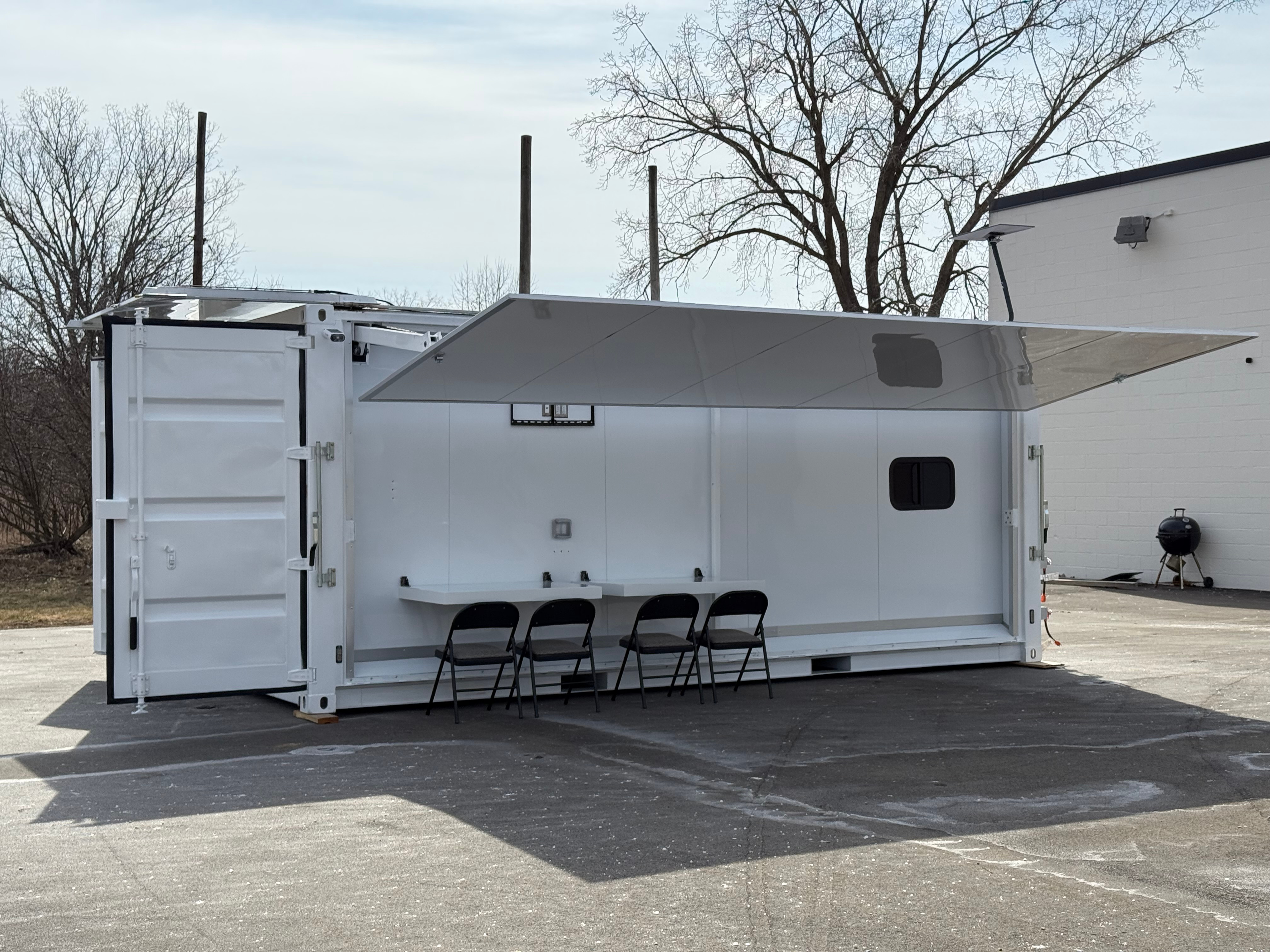
A Mobile Nanogrid is a compact, self-contained energy system that can generate, store, and deliver power where it is needed. Sesame Solar’s systems combine solar power, battery storage, and green hydrogen to provide mobile, off-grid electricity for critical operations. Deployable by one person in minutes, Mobile Nanogrids are designed for defense and commercial operations and built to support critical missions and services without depending on traditional fuel supply chains.
- For emergency response, Mobile Nanogrids can support essential services after extreme weather events and grid outages in minutes.
- For defense, our Mobile Nanogrids support UAS/UGV/USV charging, perimeter security, surveillance, edge computing and field operations without relying on vulnerable fuel logistics.
These attributes makes Mobile Nanogrids especially useful in mission-critical environments where speed, mobility, reliability, and energy independence all matter.
Mission-Critical Power for Defense and National Security
In defense environments, energy is not just a support function. It is a strategic asset.
Modern military operations rely on communications, surveillance, sensors, drones, computing, refrigeration, medical support, lighting, command systems, and mobility. All of these require dependable power.
In remote, contested, or austere environments, fuel convoys can create logistical risk. Fixed infrastructure may be unavailable or vulnerable. Traditional generators can increase acoustic and thermal signatures. In these settings, mission-critical power must be portable, reliable, quiet, and independent.
Sesame Solar’s defense solutions are designed to support forward operating bases, disaster response hubs, mobile command, surveillance, and other field operations with rapidly deployable off-grid power.
For military and federal agencies, mission-critical power is about more than keeping lights on. It is about maintaining operational endurance, reducing logistics burden, and giving teams the flexibility to operate wherever the mission requires.
Mission-Critical Power for Emergency Response
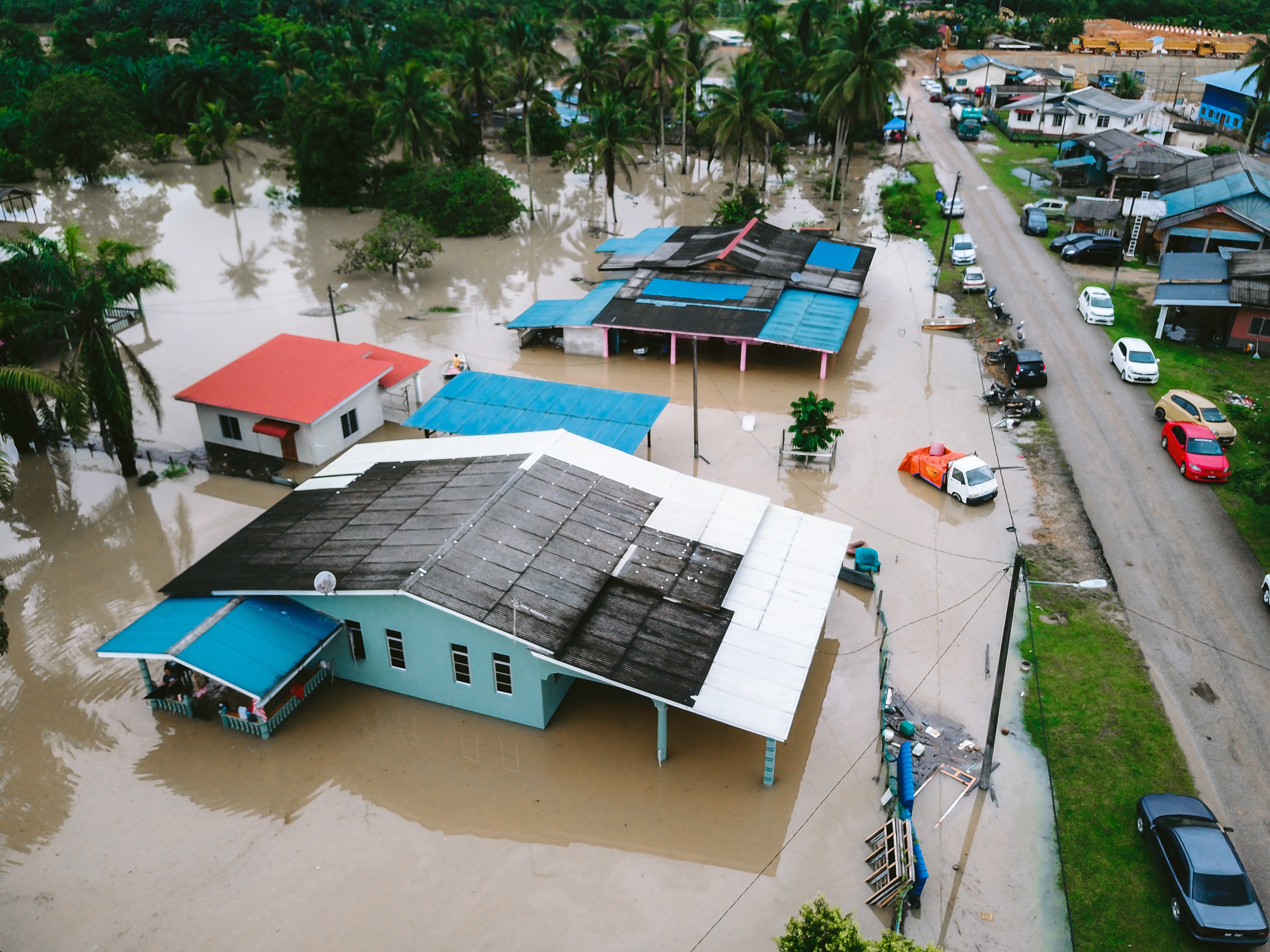
After hurricanes, floods, wildfires, storms, or grid failures, the first hours matter.
Emergency response teams need power for communications, command centers, medical support, charging, refrigeration, lighting, water systems, and community services. Local governments may need to open resilience hubs, cooling centers, warming centers, or mobile support sites. Utilities may need power for repair operations. Nonprofits and humanitarian organizations may need temporary power in areas with damaged infrastructure.
FEMA’s Community Lifelines framework underscores the essential role of energy in disaster stabilization. Energy disruptions can affect communications, medical care, water systems, shelter operations, public safety, and transportation.
Mission-critical power for emergency response must therefore be fast, flexible, and deployable before permanent infrastructure is restored.
Sesame Solar’s Mobile Nanogrids can be transported to response sites and used to support emergency services, community centers, communications, mobile offices, clean water, and other essential operations.
Mission-Critical Power for Healthcare and Critical Facilities
Healthcare facilities, clinics, shelters, and public safety buildings need dependable power to protect people during emergencies.
Critical facilities often need electricity for lighting, medical devices, refrigeration, HVAC, communications, security systems, and life safety equipment. NREL has highlighted the role of solar, storage, and other technologies in improving resilience at critical facilities, helping local governments and organizations evaluate energy investments that support continuity during outages.
For hospitals and inpatient facilities, emergency power requirements are governed by strict standards. But smaller clinics, mobile medical units, rural health facilities, and temporary emergency sites may also need resilient power that can be deployed quickly and operated without complex fuel logistics.
Mission-critical power is especially important when healthcare services must move closer to affected populations. Mobile energy systems can help support temporary care sites, triage areas, refrigeration for medicine, medical device charging, and patient support services.
Mission-Critical Power for Communications and Utilities
Communications are often one of the first things people need during a crisis, and one of the hardest services to maintain when power is disrupted.
Telecom sites, emergency communications hubs, satellite systems, radio networks, and mobile command posts all depend on reliable electricity. When communications fail, response coordination becomes harder, residents lose access to information, and emergency services face delays.
Sesame Solar’s communications solutions are designed to support emergency response, communication centers, medical centers, military operations, clean water units, EV charging, and other off-grid needs.
Utilities and energy providers can also use mobile power to support restoration operations, temporary service needs, remote work sites, and resilience planning. For these organizations, mission-critical power can help bridge the gap between outage and restoration.
How to Plan for Mission-Critical Power
Organizations should evaluate mission-critical power before the next outage, deployment, or emergency. A useful planning process starts with five questions.
1. What must remain powered?
Identify the critical loads. These may include communications, refrigeration, medical equipment, IT systems, lighting, HVAC, water systems, pumps, sensors, charging stations, command systems, or security equipment.
2. How long must operations continue?
A short outage may require one type of solution. A multi-day disruption requires another. Mission-critical planning should account for extended outages, not just brief interruptions.
3. Where will power be needed?
Power may be needed at a fixed facility, remote site, field operation, mobile command post, emergency shelter, utility staging area, or community resilience hub.
4. What supply chains does the system depend on?
Fuel, replacement parts, specialized operators, transportation routes, and permitting requirements all affect real-world resilience.
5. Can the system be deployed quickly?
In many emergencies, speed matters as much as capacity. A system that takes days to mobilize may not meet the mission need.
The strongest mission-critical power plans are not built around a single assumption. They create layers of resilience: grid power where available, backup systems where needed, and mobile off-grid power that can be deployed when the mission moves or infrastructure fails.

The Future of Mission-Critical Power Is Mobile, Resilient, and Self-Generating
The future of mission-critical power will not be defined by one technology alone. It will be defined by systems that combine reliability, mobility, storage, on-site generation, and operational flexibility.
DOE has continued to support energy storage and critical infrastructure resilience projects focused on helping critical facilities maintain power during outages and emergencies.
At the same time, local governments, defense agencies, utilities, healthcare organizations, and private companies are rethinking what resilience requires. Many are moving from a narrow “backup generator” mindset to a broader mission-critical power strategy.
That shift is important. A generator may help a building survive an outage. A mission-critical power strategy helps an organization continue operating when the environment changes.
Sesame Solar’s Mobile Nanogrids are part of that shift. They provide rapidly deployable, off-grid power that can support critical services without depending on the grid or diesel fuel supply chains. For organizations that need to stay operational in the field, during emergencies, or in remote locations, that capability can make the difference between disruption and continuity.
Conclusion: Power the Mission Before the Emergency
Mission-critical power is the energy foundation for the operations people depend on most.
It keeps responders connected. It keeps medical services available. It keeps communities supported. It helps defense teams operate with greater independence. It allows utilities, agencies, companies, and local governments to continue serving people when traditional systems are disrupted.
The question is no longer whether organizations need backup power. The better question is whether their power strategy is resilient enough for the mission.
For Sesame Solar, the answer is clear: mission-critical power must be mobile, clean, rapidly deployable, off-grid, and ready before the crisis begins.
FAQ: Mission-Critical Power
What is mission-critical power?
Mission-critical power is the reliable energy required to keep essential operations running when failure is not acceptable. It supports systems such as emergency communications, medical services, defense operations, public safety, clean water, refrigeration, command centers, shelters, and critical infrastructure. Unlike ordinary backup power, mission-critical power focuses on continuity under real-world disruption. That means it must account for outage duration, fuel availability, mobility, deployment speed, critical loads, and the ability to operate when grid infrastructure is damaged or unavailable.
Why is mission-critical power important?
Mission-critical power is important because essential services depend on electricity. During disasters, outages, remote deployments, or infrastructure failures, power disruptions can affect emergency response, healthcare, communications, water systems, transportation, public safety, and national security. FEMA’s Community Lifelines framework shows how energy is connected to many other lifelines that communities need during emergencies. When power is unavailable, stabilizing a situation becomes much harder. Reliable mission-critical power helps organizations continue operating, protect people, and reduce downtime.
What is the difference between backup power and mission-critical power?
Backup power is usually an alternate source of electricity used when the grid fails. Mission-critical power is a broader strategy for keeping essential operations running under difficult conditions. It considers what must be powered, how long power is needed, where the power must go, whether fuel supply chains are reliable, and how quickly the system can be deployed. Backup power may be fixed to one facility. Mission-critical power may need to move with the mission, support changing loads, and operate independently in remote or damaged environments.
What industries need mission-critical power?
Mission-critical power is needed across defense, emergency response, healthcare, telecommunications, utilities, public safety, government, humanitarian response, data operations, transportation, and remote commercial operations. Any organization that cannot afford extended downtime should evaluate mission-critical power needs. For example, a hospital may need power for patient care, a telecom provider may need power to keep people connected, a military unit may need power for field operations, and a local government may need power for shelters, cooling centers, or emergency response hubs.
How do Mobile Nanogrids support mission-critical power?
Mobile Nanogrids support mission-critical power by providing rapidly deployable, off-grid energy that can be transported where it is needed. Sesame Solar’s Mobile Nanogrids combine solar power, battery storage, and green hydrogen to generate and store energy without relying on diesel fuel deliveries or fixed grid infrastructure. They can support emergency response, defense operations, communications, medical services, clean water, mobile offices, and other critical applications. Because they are mobile and self-generating, they help organizations maintain operations even when the grid is down or the mission moves.
Why is fuel independence important for mission-critical power?
Fuel independence is important because fuel supply chains can be disrupted during disasters, remote deployments, or contested environments. Diesel generators can provide emergency power, but they require ongoing fuel delivery, storage, maintenance, and emissions compliance. If roads are blocked, fuel is unavailable, or logistics are delayed, the power system may become vulnerable. Self-generating power systems that use solar, battery storage, and hydrogen can reduce dependence on fuel deliveries and increase operational flexibility.
