How to Power Drones in Remote Locations When the Grid Is Not an Option
Excerpt
Powering drones in remote locations is not just a charging problem. It is an energy resilience problem. Here is how organizations can keep drone operations running longer with fewer fuel and battery constraints.
Key takeaways
- Remote drone operations often fail at the energy layer first, not the aircraft layer, because uptime depends on batteries, charging, fuel access, and logistics.
- Battery-only operations can work for short missions, but longer deployments usually need a broader field power strategy.
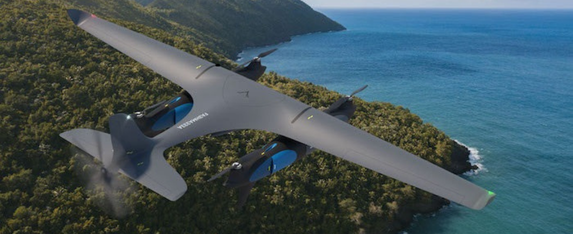
- Hydrogen fuel-cell drones can offer significantly longer endurance than conventional battery-powered drones, which is important in dispersed or contested environments.
- An off-grid system that combines solar, battery storage, and on-site hydrogen production can reduce dependence on fuel deliveries and fixed infrastructure.
- For military, homeland security, emergency response, and remote infrastructure teams, the goal is not just charging drones faster. It is sustaining missions longer with fewer operational vulnerabilities.
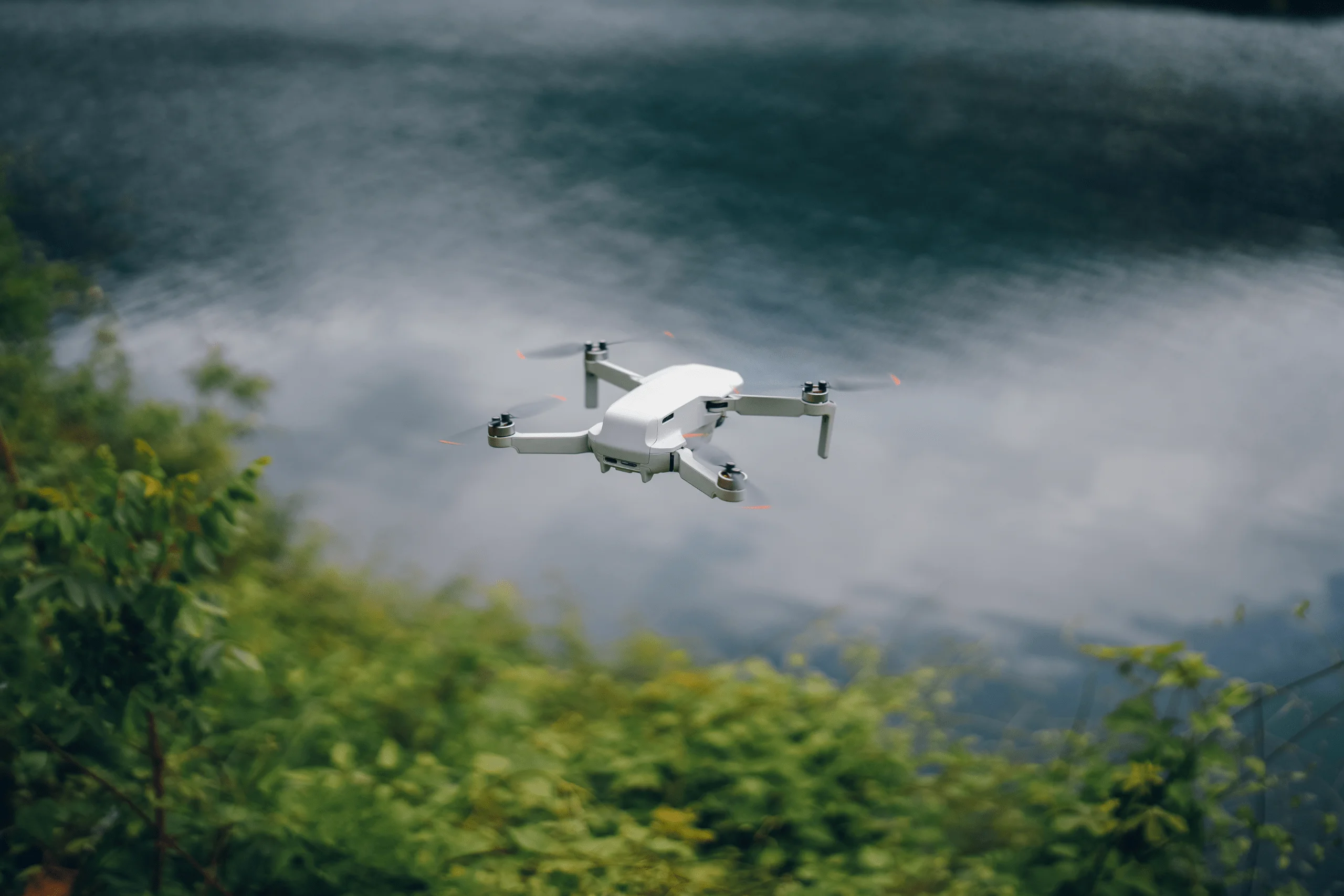
Drone operations in remote locations are growing fast. Military units, border security teams, emergency responders, utilities, and infrastructure operators are all relying more heavily on unmanned systems for surveillance, communications support, inspection, mapping, and situational awareness. But the deeper drones move into remote or austere environments, the more obvious one challenge becomes: keeping them powered.
That matters because drone capability is no longer measured only by range, payload, or sensors. It is measured by how long an organization can keep those systems operating without interruption. The Army has been explicit that persistent drone, sensor, and communications functionality depends on uninterrupted power, and that battlefield energy must be treated as a real sustainment priority. In other words, the power behind the drone is becoming just as important as the drone itself.
Why powering drones in remote locations is so difficult
In a city, a drone team may be able to swap batteries, recharge from a vehicle, or return to a fixed site. In remote locations, those assumptions start to break down. Operators may be far from the grid, far from replacement batteries, and far from predictable fuel deliveries. Weather, terrain, distance, and mission tempo all make energy harder to manage.
This is especially important in defense environments. CSIS recently noted that modern drone ecosystems carry strategic vulnerabilities across power, batteries, and logistics. Defense One similarly reported that as drones reshape warfare, limitations on range and power are becoming a deciding factor on the battlefield. When energy becomes the bottleneck, the mission slows down even if the aircraft itself is capable.
The usual options and where they fall short
1. Battery-only operations
For short-duration missions, batteries are practical and familiar. They are relatively easy to manage in controlled settings, and for many commercial teams, they remain the starting point. But in truly remote environments, battery-only operations create a cycle of downtime, battery rotation, charging queues, and replacement planning. The Army has even argued that the battery powering a drone should be treated with the same logistical seriousness as other mission-critical supplies.
2. Diesel or gas generators
Generators can provide field power, but they introduce another dependency: fuel. That means transport, storage, noise, thermal signature, and continued resupply. For dispersed teams or contested environments, this can become a serious operational liability. The Army notes that reduced fuel dependence enables smaller, faster, and safer logistics packages, which is one reason energy resilience is increasingly part of mission planning.
3. Fixed charging infrastructure
Permanent charging sites can work for established facilities, but they do not solve the mobility problem. If drone operations need to move with the mission, fixed infrastructure often becomes too rigid. Remote operations need power that can travel, deploy quickly, and adapt to changing conditions.

What a better remote drone power strategy looks like
The best way to power drones in remote locations is to think beyond charging and design for sustainment. That means building an energy system around four goals:
First, mobility. The power source needs to travel with the operation, not stay tied to a base or facility.
Second, endurance. The system has to support repeated missions over days, weeks, or months, not just a few launches.
Third, resilience. It should keep running even when grid access, fuel deliveries, or normal supply chains are disrupted.
Fourth, operational simplicity. Teams in the field need a system they can deploy quickly and manage with limited personnel. These priorities align with the Army’s battlefield energy guidance and the broader shift toward distributed operations.
Why solar, battery storage, and hydrogen are getting more attention
Hydrogen fuel cells have been on the defense radar for years. The U.S. Department of Energy has highlighted the Naval Research Laboratory’s use of fuel cells in small unmanned air vehicles and the resulting fuel and energy-saving benefits. More recently, Defense One reported that hydrogen-powered drones can fly three to five times longer than conventional drones in some experiments, while also offering lower thermal signatures than internal combustion alternatives.
That does not mean every drone should switch to hydrogen immediately. It does mean that for longer missions in remote areas, organizations need to look seriously at power systems that go beyond wall charging and battery swaps. Hydrogen can extend endurance. Solar can provide renewable input power. Batteries can stabilize and buffer the system. Together, they can create a more resilient off-grid setup for drone operations.
What this looks like in practice
A strong field solution is a mobile energy platform that combines solar generation, battery energy storage, and on-site hydrogen capability. Sesame Solar’s Drone Refueling Nanogrid is one example of this approach. The system generates power from solar, uses atmospheric water generation and electrolysis to produce hydrogen on site, and is designed to support continuous drone operations in remote areas without relying on repeated fuel deliveries. Sesame’s platform can be deployed in about 15 minutes by one person and supports 24/7 drone operations for up to six months without fuel resupply, depending on the mission setup.
That matters because the real problem in remote drone operations is often not “How do I recharge one aircraft?” It is “How do I sustain an entire mission package?” A remote power solution may need to support the drone, the communications layer, edge computing, sensors, and field personnel all at once. Sesame Solar has framed this as a broader mobile infrastructure challenge, not just a drone fueling challenge, which is the right way to think about resilience in the field.
Who benefits most from this approach
This model is especially relevant for:
- military and allied operations in contested or fuel-constrained regions
- border and homeland security teams operating in austere terrain
- emergency response teams deploying drones after storms, floods, or wildfires
- utilities inspecting remote lines and substations
- island and remote community operators where resupply is expensive or delayed
Across all of these use cases, the common need is the same: reliable power where the grid is weak, unavailable, or too far away to matter.
The bigger shift
As drones become more central to surveillance, communications, logistics, and emergency operations, the conversation is shifting. The question is no longer just which drone to buy. The real question is how to create an energy architecture that keeps those drones useful in the places where they matter most.
For organizations operating in remote locations, powering drones effectively means reducing dependence on fragile fuel chains, minimizing downtime, and bringing generation closer to the mission. The teams that solve that problem will not just fly more drones. They will stay operational longer, respond faster, and work with more confidence when conditions are toughest.
FAQ
What is the best way to power drones in remote locations?
The best approach depends on mission length, geography, and how much equipment must be supported alongside the drone. For short operations, battery charging may be enough. For longer or more austere deployments, the stronger strategy is usually an off-grid system that combines generation, storage, and field-ready refueling or charging. That is why more attention is going to hybrid solutions involving solar, batteries, and hydrogen. They reduce dependence on fixed infrastructure and repeated fuel runs while making it easier to sustain drone operations for longer periods.
Why are battery-only drone operations hard in remote environments?
Battery-only operations sound simple, but the field reality can be difficult. Operators need enough charged packs, enough time to rotate them, and a dependable way to recharge them without slowing the mission. In remote environments, this can create bottlenecks quickly. The challenge gets even bigger when the same team also needs power for sensors, communications gear, laptops, or edge devices. Military thinking around battlefield energy reflects this problem clearly: the battery behind the drone is becoming a logistical priority, not just an accessory.
Are hydrogen-powered drones better than battery-powered drones?
Not in every scenario, but they can be a much better fit for long-endurance missions. The U.S. Department of Energy has pointed to fuel and energy-saving benefits from fuel-cell UAV work, and more recent reporting has highlighted substantially longer flight times for hydrogen-powered systems compared with conventional battery-only drones in some settings. They may also offer lower heat and noise signatures than some alternatives, which can matter in defense applications. The tradeoff is that they need a compatible fueling and support system, which is why mobile hydrogen infrastructure is becoming more important.
Can drones really be powered off-grid without diesel?
Yes, depending on the mission profile and the system design. Off-grid drone support is increasingly feasible when solar generation, battery storage, and hydrogen production or refueling are integrated into a mobile platform. Sesame Solar’s Drone Refueling Nanogrid is built around that exact idea: produce energy on site, reduce dependence on regular fuel deliveries, and support continuous operations in remote areas. Diesel still has a role in some deployments, but the trend toward cleaner and lower-logistics field power is clear, especially where resupply creates cost, delay, or risk.
Who should care most about remote drone power infrastructure?
Any organization that expects drones to do real work away from dependable infrastructure should care. That includes military units, homeland security, emergency response teams, utilities, telecom operators, and operators working across islands or isolated territories. In all of those environments, the drone is only as useful as the energy system behind it. The more mission-critical drones become, the more important it is to design an energy strategy that supports endurance, resilience, and mobility instead of assuming that a charging outlet will always be available.
Recommended related links
- Hydrogen-Powered UAVs: Why Longer Endurance and Fewer Fuel Convoys Matter
- Mobile Hydrogen Powers Continuous Drone Operations
- Defense / Military Solutions page
- Homeland Security / Border Protection page
- A Solar-Powered Hydrogen Station Could Let Military Drones Fly for Months Without Resupply
- New U.S. Solar Hydrogen Generator Powers Long-Endurance Drones
