Drone-in-a-Box vs. Mobile Drone Operations: What’s the Difference?
Excerpt:
Drone-in-a-Box systems automate drone flights, while mobile drone operations bring that capability to different locations. Learn how they compare, where each works best, and why reliable power and charging are crucial for keeping drones operating in the field.
Launching a drone is fairly simple. Keeping it flying throughout the day, especially in remote locations, is another matter. Batteries need recharging, equipment needs maintenance, and the team needs a reliable way to launch and recover the aircraft. These problems become more complicated when an operation has to move from one location to another.
This is where drone-in-a-box systems and mobile drone operations come in. The terms are sometimes used interchangeably, but they aren't the same.
A drone-in-a-box system is mainly designed to automate launching, landing, and charging. Mobile drone operations, on the other hand, allow teams to bring their drones and supporting equipment wherever they're needed. The two can also work together, especially when teams need to run repeated flights without relying on permanent infrastructure.
Key Takeaways
- Drone-in-a-box systems focus on automation. They allow drones to launch, complete missions, return, and recharge with limited hands-on involvement, making them useful for routine monitoring and inspections.
- Mobile drone operations rely on flexibility. They let teams deploy drones and supporting equipment at different locations, especially for military missions, emergency response, and remote field operations.
- The two approaches can work together. Teams can integrate automated launch and recovery systems into mobile platforms, combining the convenience of drone-in-a-box technology with the flexibility of mobile deployment.
- Reliable power is essential for both. Drones need more than automated flight capabilities. Charging infrastructure, energy storage, and dependable electricity determine how effectively an operation can support repeated missions.
- The right solution depends on the mission. Fixed drone docks may work well for monitoring established facilities, while mobile systems with off-grid power suit changing locations and areas without reliable infrastructure.
What Is a Drone-in-a-Box System?
A drone-in-a-box system is an automated setup that lets a drone take off, carry out a mission, return to a docking station, and recharge with minimal hands-on involvement.
The "box" is typically a weather-resistant docking station that houses the drone between flights. Depending on the system, it may also provide battery charging, environmental protection, communications, and automated flight scheduling.
For example, a utility company might install a drone docking station at a substation to perform regular equipment inspections. Instead of sending a crew to launch the drone each time, the company can schedule flights and review the collected imagery remotely.
This makes drone-in-a-box technology particularly useful for locations that need frequent monitoring.
Common applications include:
- Critical infrastructure inspections: Monitoring substations, pipelines, and industrial facilities.
- Site security: Conducting scheduled patrols around warehouses, construction sites, and other properties.
- Emergency response: Providing aerial views of incidents when an authorized operation can be initiated.
- Environmental monitoring: Collecting imagery and other data from locations that require repeated observation.
The appeal is clear. Once installed and properly configured, the system can automate many routine tasks.
However, automated doesn't necessarily mean completely independent. Drone docks still need power, communications, maintenance, and a suitable operating environment.
What Are Mobile Drone Operations?
Mobile drone operations take a different approach. Rather than keeping drone infrastructure at one location, the equipment and supporting systems can move with the mission.
A mobile setup might operate from a vehicle, trailer, temporary field station, or other transportable platform. It may include drones, launch-and-recovery equipment, battery charging systems, communications equipment, and a power source.
Consider a search-and-rescue team responding to flooding across several communities. A permanently installed drone dock might provide excellent coverage around its designated location, but the response team needs to move as conditions change.
A mobile drone operation lets the team bring its aircraft and supporting equipment closer to areas that need attention.
The same principle applies to military units operating in changing locations, service crews inspecting remote transmission corridors, and emergency responders working in areas where roads or power systems have been damaged.
Mobility, however, brings its own challenges. Every time the operation moves, the team may need to establish a safe launch area, restore communications, manage batteries, and make sure the equipment is ready for another flight.
Relocating is valuable, but it doesn't automatically solve the problem of keeping drones operational once they arrive.
Drone-in-a-Box vs. Mobile Drone Operations: Key Differences
The biggest difference is not the drone itself. It's how the operation is organized and supported.
These categories are not mutually exclusive. A mobile drone operation can incorporate drone-in-a-box technology, giving teams both automated launch and recovery and the flexibility to relocate.
That combination is especially useful when missions need repeated flights but cannot depend on a permanent base.
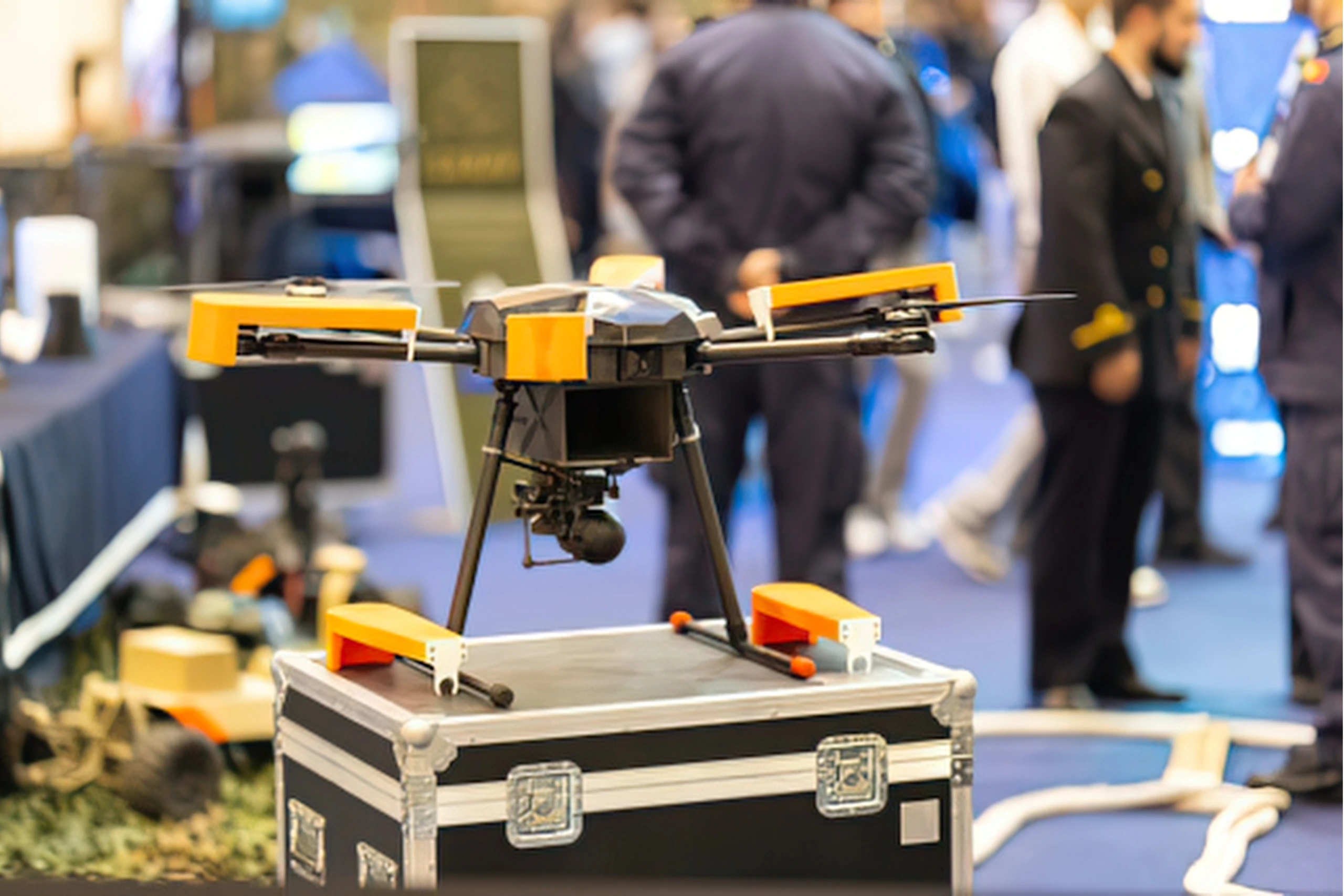
The Challenge Both Approaches Share: Keeping Drones Powered
Whether a drone launches from a fixed dock or a mobile platform, its battery eventually needs recharging or replacement.
For an occasional flight, that may be a minor inconvenience. For an operation that depends on regular missions, charging becomes a much bigger consideration.
Imagine a security team conducting aerial patrols throughout the day. Even if each flight is automated, the operation still depends on having enough electrical power to recharge the aircraft between missions.
Now move that operation to a remote location without reliable grid access.
The team may need to transport generators, fuel, spare batteries, charging equipment, and personnel to keep the operation running. In difficult terrain or emergency conditions, those requirements can become as challenging as the flights themselves.
The U.S. Army has pointed out the importance of battlefield energy in its discussion of best practices for operationalizing battlefield energy, including the operational results of insufficient power for drone teams.
This is why flight endurance alone doesn't tell the whole story. A drone capable of flying for 40 minutes is of limited use for repeated missions if the team cannot recharge it, replace its battery, or prepare it for another flight.
The more useful question is how long the entire operation can continue—not simply how long one aircraft can remain airborne.
Can Drone-in-a-Box Systems Be Mobile?
Yes. Although many drone-in-a-box systems are designed for fixed installations, operators can integrate automated docking and recovery technology into mobile platforms.
Operators can move a transportable system to a temporary operating location, set it up, and use it for repeated flights. More advanced systems may support launch and recovery from vehicles or other moving platforms.
This opens possibilities for operations that need both automation and flexibility.
For example, an emergency response organization might deploy a mobile drone system near a disaster area, use it for aerial assessments, and relocate it while recovery efforts progress. A defense unit might use mobile launch-and-recovery equipment to support surveillance and reconnaissance as its operating position changes.
However, putting a drone dock on a vehicle doesn't automatically create a self-sufficient mobile operation.
The system still needs dependable power for charging, communications, and supporting equipment. It must also account for weather, terrain, maintenance, and operational safety.
For teams working away from established facilities, the power source can determine how practical the deployment really is.
Bringing Automation and Mobile Power Together
One way to tackle these limitations is to combine automated drone handling with a mobile system that can generate and store its own electricity.
That is the approach behind Sesame Solar's Persistent Drone Operations Nanogrid, developed in partnership with Target Arm and AG3 Labs.
The system brings together three capabilities that are often handled separately.
Mobile power generation and storage. Sesame Solar's Mobile Power Hub uses solar and hydrogen power with integrated battery storage to supply electricity for drone charging and other field equipment. This reduces dependence on permanent grid connections and recurring conventional fuel deliveries.
Autonomous launch and recovery. Target Arm's Ralar system provides automated drone launch and recovery capabilities, including operations involving moving platforms. Its drone magazines are designed to help cycle aircraft through deployment, recovery, charging, and redeployment.
Configurable unmanned aircraft. AG3 Labs' SPADE platform provides small unmanned aircraft that can be configured for different mission requirements, including surveillance, communications relay, and training.
Together, these technologies support repeated drone operations from a mobile platform, including remote and forward environments where typical infrastructure may be unavailable.
The concept goes beyond automating individual flights. It addresses the equipment and energy needed to keep the extended operation running.
As detailed in Sesame Solar's announcement of the Persistent Drone Operations Nanogrid, the integrated solution is intended for defense, emergency response, law enforcement, infrastructure monitoring, and other applications needing sustained drone availability.
Which Approach Makes More Sense for Your Operation?
Choosing between a conventional drone-in-a-box installation and a mobile drone operation starts with understanding the mission.
For an industrial facility that needs scheduled inspections of the same equipment, a fixed drone dock may be the simpler option. The operating area is predictable, power is often available, and the organization can build its workflow around scheduled flights.
For a utility crew inspecting infrastructure across several counties, a mobile setup may be more useful. The crew needs to bring its equipment to different locations rather than depend on a single launch point.
Emergency response presents another situation. A fixed drone dock can help monitor a known area, while a mobile system may be better suited to incidents that occur outside that coverage.
Military and expeditionary operations have additional considerations. Personnel may need to relocate frequently, work with limited infrastructure, and reduce dependence on vulnerable supply lines. In those environments, mobile power, automated launch and recovery, and transportable equipment become highly valuable.
Before selecting a system, organizations should consider:
- Mission location: Will the drones operate around one facility or across multiple sites?
- Flight frequency: Are occasional flights sufficient, or must aircraft be available for repeated missions?
- Power availability: Is dependable electricity available where the drones will operate?
- Level of automation: How much hands-on work is acceptable between flights?
- Deployment requirements: How quickly must the system be set up, moved, or redeployed?
- Regulatory requirements: What approvals, operating limitations, and safety procedures apply?
These questions can help identify whether a fixed dock, a conventional mobile setup, or an integrated mobile system is the better fit.
The Bottom Line: It's About More Than Where the Drone Takes Off
Drone-in-a-box technology has made it easier to automate standard flights. Mobile drone operations make it possible to bring that capability to locations where permanent installations may not be practical.
But neither automation nor mobility guarantees that drones can keep flying.
Power availability, charging time, recovery procedures, communications, and maintenance all influence how long an operation can remain effective. These considerations become even more important when teams work in remote locations or need to relocate frequently.
For organizations evaluating their options, the goal shouldn't be to choose between automation and mobility simply because they are presented as different categories. The better approach is to identify what the mission requires and how the complete system will support it.
Learn how Sesame Solar's Persistent Drone Operations Nanogrid combines mobile off-grid power, autonomous launch and recovery, and drone charging to support repeated field missions.
Frequently Asked Questions
What is the difference between drone-in-a-box and mobile drone operations?
Drone-in-a-box systems automate launch, recovery, and charging, typically from a designated docking station. Mobile drone operations allow teams to transport and deploy drones and supporting equipment at different locations. A mobile system can also incorporate automated docking technology.
Can drone-in-a-box systems operate without grid power?
Yes, as long as they have an appropriately sized alternative power supply. Mobile systems using solar generation, hydrogen, and battery storage can support drone charging in locations without a permanent electrical grid.
Can drones launch from moving vehicles?
Some specialized systems support launch and recovery from moving platforms. However, you must consider both equipment capabilities and aviation permissions. The FAA regulates operations from moving vehicles under applicable Part 107 requirements.
What do persistent drone operations require?
Persistent drone operations require more than aircraft endurance. Reliable power, charging infrastructure, launch and recovery capabilities, communications, maintenance, and suitable operating procedures all add to sustained mission availability.
