Lessons from Ukraine and Iran: Why the Future of Robotic Warfare Depends on Mobile Power
Excerpt
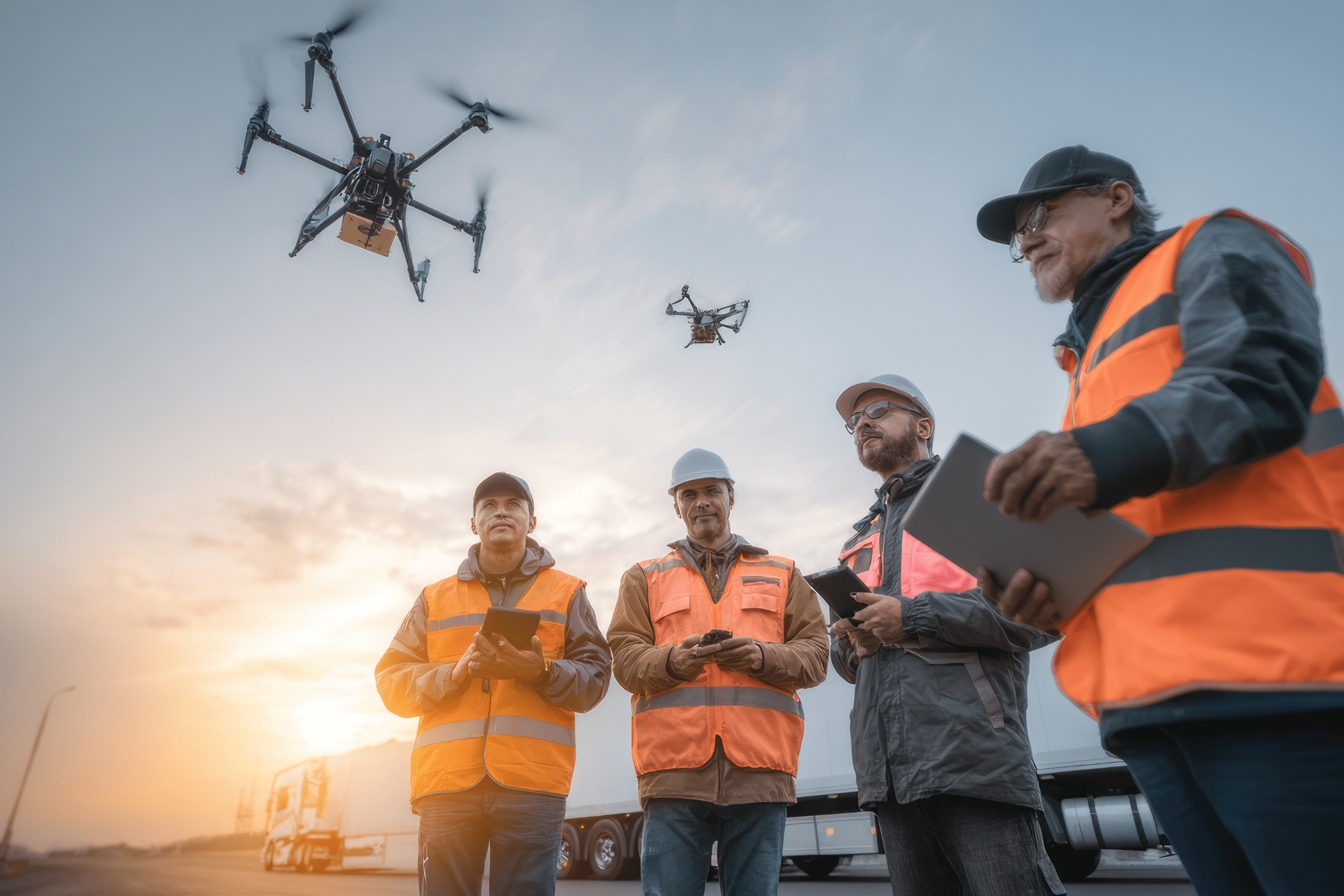
Recent conflicts in Ukraine and Iran show that robotic warfare is no longer theoretical. Drone swarms, unmanned ground systems, and AI-driven countermeasures now shape battlefield strategy — but every autonomous system depends on reliable, mobile power. The next era of defense innovation will be defined not only by robotics and AI, but by energy resilience at the tactical edge.
Key Takeaways
- Robotic warfare is accelerating, driven by AI-powered drones, UGVs, USVs, and autonomous defense platforms.
- Conflicts in Ukraine and Iran demonstrate the operational impact of drone swarms and distributed unmanned systems.
- Every robotic system depends on sustained field power — batteries and hydrogen systems require mobile energy infrastructure.
- Traditional fuel logistics create vulnerabilities in contested environments.
- Mobile nanogrids act as forward energy nodes, enabling off-grid, distributed operations.
- Energy resilience is emerging as a strategic differentiator in modern defense.
- Faster manufacturing and deployment cycles are essential to keep pace with evolving conflict dynamics.
- The future of defense will be measured not only by AI capability — but by the ability to sustain it.
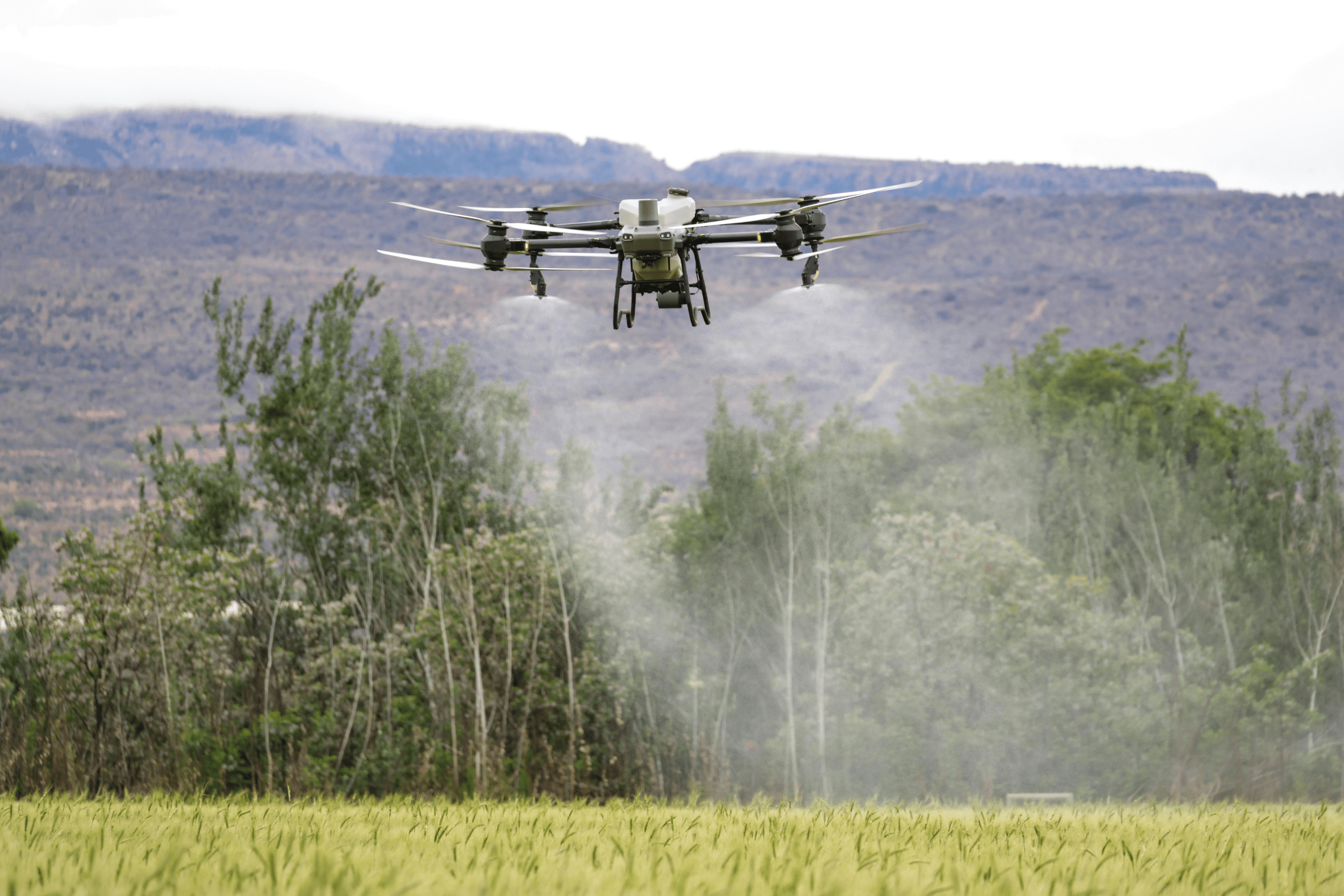
The defining constraint of modern warfare is no longer firepower — it’s endurance. In today’s conflicts, the side that can sustain autonomous systems the longest often gains the advantage. Drone swarms, unmanned ground vehicles, and AI-enabled surveillance platforms are reshaping how operations unfold. But none of them function without persistent, reliable power at the tactical edge.
Recent conflicts, including the war in Ukraine and escalating tensions involving Iran, have made this shift unmistakable. Warfare is becoming robotic, distributed, and software-driven. Uncrewed aerial systems (UAS), unmanned surface vessels (USVs), unmanned ground systems (UGVs), and autonomous countermeasure platforms are no longer experimental — they are operational realities.
Yet beneath the headlines about AI-guided systems and drone swarms lies a more fundamental constraint: energy.
Every unmanned platform, whether battery-electric or hydrogen-powered, depends on reliable, persistent power in the field. Without mobile energy infrastructure, even the most advanced robotic systems become short-duration tools rather than sustained strategic capabilities.
Robotic Warfare Is Expanding — and So Is Power Demand
The conflicts unfolding across Eastern Europe and the Middle East demonstrate how quickly autonomous systems can shift tactical balance. Drone swarms conduct reconnaissance and precision strikes. Naval drones challenge traditional maritime structures. Ground robots reduce human exposure in high-risk environments. Counter-drone defenses rely on advanced detection and AI-enabled electronic systems.
What unites these capabilities is their dependence on distributed, resilient power.
Traditional diesel generators and fuel convoys are increasingly misaligned with this new operational model. Fuel logistics introduce vulnerability. Convoys create targets. Acoustic and thermal signatures compromise stealth. Resupply chains slow down mobility. In contested environments, heavy fuel dependency becomes operational friction.
Modern warfare is decentralized and fast-moving. Energy systems must match that reality.
The Strategic Gap: Power at the Tactical Edge
Ukraine and Iran illustrate that operational advantage now goes to forces that can deploy quickly, adapt continuously, and sustain unmanned systems without relying on fixed infrastructure. Effective energy solutions in this environment must be:
- deployable in minutes,
- fully off-grid capable,
- compatible with battery-electric and hydrogen systems,
- transportable,
- scalable as missions evolve.
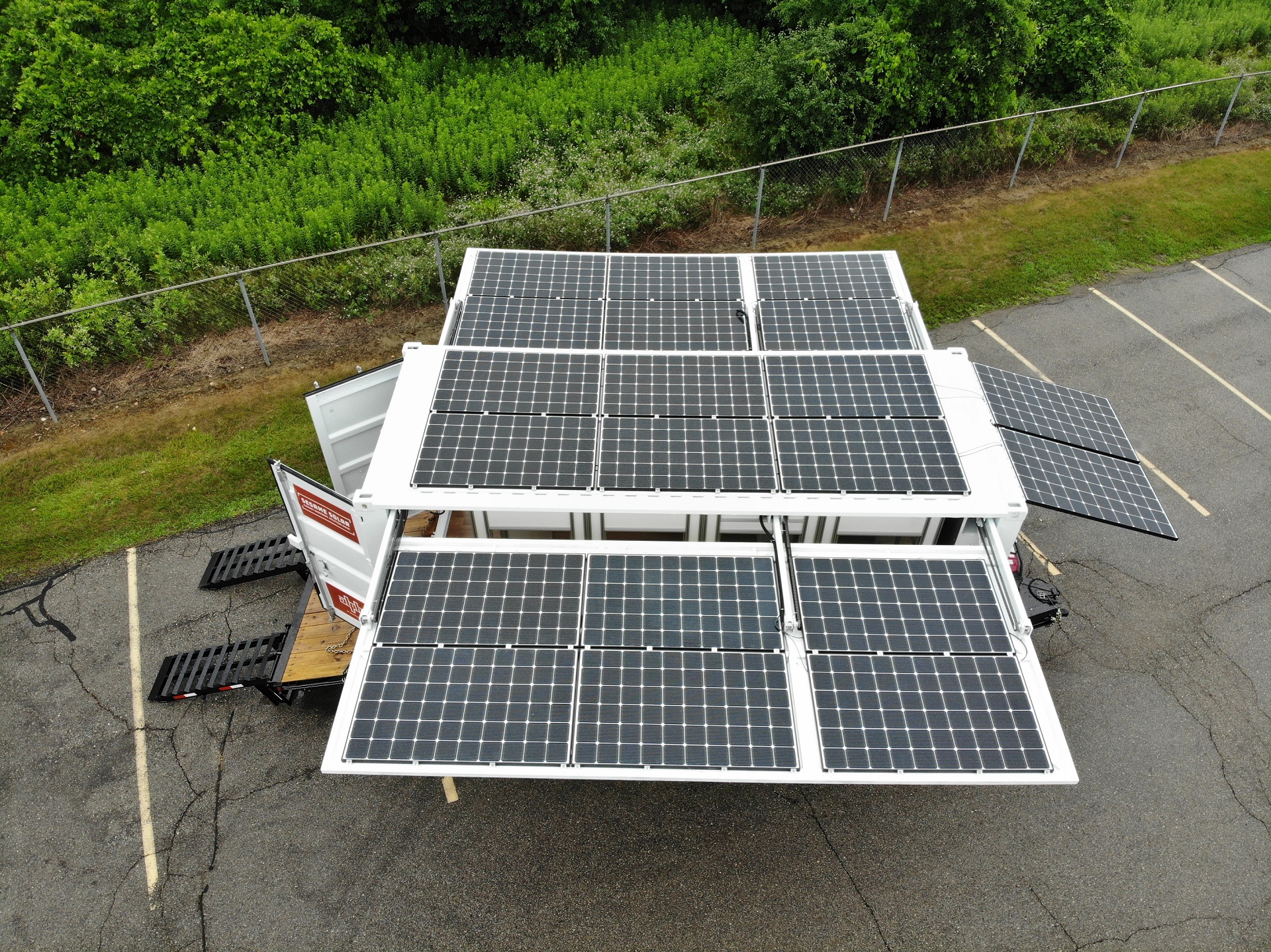
Mobile nanogrids address this gap by acting as forward energy nodes at the tactical edge. Instead of transporting fuel into vulnerable zones, they generate and store energy on site. Instead of concentrating on infrastructure, they distribute resilience.
In robotic warfare, mobility equals survivability. Energy mobility becomes a force multiplier.
Traditional Fuel Logistics vs Mobile Nanogrids for Robotic Operations
Robotic missions succeed or fail based on sustainment. The comparison below highlights why traditional fuel logistics often become bottlenecks — and why mobile nanogrids align more closely with distributed autonomous operations.
Sesame Solar’s Moonshot: Powering AI and Robotics, Not Fuel Convoys
At Sesame Solar, the long-term vision is clear: enable a future where robots and AI software replace people in the most dangerous environments, powered by lighter, smaller, more power-dense Mobile Nanogrids that can be manufactured and deployed far faster than traditional infrastructure.
This moonshot includes powering:
- Surveillance equipment in remote terrain
- Battery-powered UAS and UGV fleets
- Hydrogen-fueled drones requiring on-site fuel generation
- Autonomous maritime systems
- AI-enabled counter-swarm defense platforms
As autonomous systems evolve, the limiting factor will not be software sophistication alone. It will be how quickly and reliably those systems can be powered in austere environments.
Energy Independence as Tactical Advantage
The lesson from recent conflicts is not simply that robotic warfare is accelerating. It is that energy resilience is becoming a strategic differentiator. Forces that can sustain autonomous systems without fragile logistics gain operational continuity. Those that cannot face stalled missions and exposed supply chains.
Mobile, renewable-powered nanogrids reduce fuel transport risk, minimize operational signatures, and support distributed missions aligned with modern defense strategy.
The real advantage is not just in the number of drones or the sophistication of AI algorithms. It is in the ability to sustain them.
Strategic Implications for NATO & Allies
For NATO members and allied nations, the implications are significant. Modern defense strategy increasingly emphasizes distributed operations, rapid deployment, and interoperability across autonomous platforms. That requires more than advanced AI software or next-generation drones — it requires resilient energy systems that can move with the mission.
Allied forces operating across diverse terrains — from Eastern Europe to maritime environments — cannot assume grid access or uninterrupted fuel supply chains. Energy resilience becomes a force enabler for:
- Persistent ISR (intelligence, surveillance, reconnaissance)
- Counter-drone and counter-swarm operations
- Forward operating autonomy
- Joint allied interoperability
- Reduced logistics vulnerability
As robotic systems become integrated across coalition forces, mobile power infrastructure becomes part of operational readiness. Energy systems that are lighter, modular, and deployable in minutes enhance flexibility while reducing exposure to supply chain disruption.
For NATO and its partners, energy resilience is not sustainability branding — it is operational insurance.
Dual-Use Reality: Defense and Disaster Share the Same Energy Problem
The operational conditions emerging in modern conflict — degraded infrastructure, limited access, distributed assets — mirror those seen in major disasters. After hurricanes, floods, wildfires, or grid failures, responders increasingly rely on drones for search-and-rescue mapping, robotic inspection of unstable structures, and sensor networks for environmental monitoring.
Autonomy does not eliminate logistics challenges — it shifts them.
Instead of fueling convoys, teams must power drone fleets, communications systems, medical devices, and mobile command centers. If drones cannot recharge, visibility disappears. If communications fail, coordination collapses. If clinics lose power, recovery slows.
Mobile nanogrids function in both environments. In defense, they sustain robotic systems at the tactical edge. In disaster response, they stabilize critical operations when the grid is compromised. The mission may differ — security or recovery — but the energy constraint is the same: resilient, mobile power.
Conclusion
The lessons from Ukraine and Iran extend beyond the rise of robotic warfare. They signal a broader shift toward distributed operations in environments where infrastructure cannot be assumed and logistics determine endurance.
The same reality appears when disaster strikes and grids fail.
Whether supporting autonomous defense systems or enabling search-and-rescue operations, resilient mobile power is no longer background infrastructure — it is strategic capability. Robotics may define the next era of defense and response. Mobile energy will determine who can sustain it.
FAQ
What is robotic warfare?
Robotic warfare refers to the use of autonomous or remotely operated systems — such as drones, unmanned ground vehicles (UGVs), unmanned surface vessels (USVs), and AI-enabled defense platforms — to conduct surveillance, reconnaissance, strike missions, and countermeasures. These systems reduce direct human exposure to danger while increasing operational reach and speed. Modern robotic warfare integrates artificial intelligence for real-time decision-making, swarm coordination, target identification, and adaptive response. However, all of these technologies rely on sustained power sources in the field, making energy infrastructure a critical component of their effectiveness.
Why are drone swarms important in modern conflicts?
Drone swarms are significant because they combine low-cost hardware with AI coordination to create scalable, distributed tactical impact. Instead of relying on a single high-value asset, swarms overwhelm defenses through numbers, agility, and coordinated movement. Conflicts like the war in Ukraine have demonstrated how drone swarms can conduct surveillance, strike operations, and electronic disruption at relatively low cost. However, swarm effectiveness depends on rapid recharge cycles and sustained energy support. Without reliable mobile power, swarm operations become short-duration events rather than persistent strategic capabilities.
What powers unmanned military systems?
Unmanned systems are typically powered by battery-electric systems, hybrid propulsion, or hydrogen fuel cells. Battery systems require rapid and repeated charging cycles, particularly in high-intensity operations. Hydrogen systems offer extended endurance but require safe on-site fueling capability. AI-enabled surveillance networks also require persistent power for sensors, communications equipment, and computing hardware. In forward operating environments, mobile nanogrids can generate, store, and distribute energy off-grid, reducing reliance on fuel convoys and fixed infrastructure.
Why is mobile power important for modern defense operations?
Mobile power enables distributed, fast-moving operations without dependence on centralized infrastructure. In contested environments, traditional fuel supply chains can become vulnerabilities. Mobile energy systems reduce fuel transport risk, lower acoustic and thermal signatures, and support decentralized robotic operations. As warfare becomes more autonomous and AI-driven, sustained power at the tactical edge becomes essential for maintaining operational continuity and mission readiness.
How do nanogrids support unmanned and AI systems?
Nanogrids are small-scale, self-contained energy systems that integrate generation, storage, and distribution in a compact footprint. When mobile, they can deploy directly alongside robotic units to provide charging and fueling support. Renewable-powered nanogrids reduce fuel logistics requirements while supporting battery-electric drones, ground robots, hydrogen fuel cell systems, and surveillance platforms. By acting as forward energy nodes, nanogrids help ensure autonomous systems can operate persistently in remote or off-grid environments.
Is robotic warfare replacing human soldiers?
Robotic systems are increasingly being used to reduce human exposure in high-risk missions such as reconnaissance, explosive disposal, surveillance, and frontline operations. While autonomous systems enhance operational capability and safety, they do not fully replace human decision-making or strategic command. Instead, robotic warfare shifts humans into supervisory, analytical, and strategic roles while machines handle high-risk or repetitive tasks. Sustaining this shift requires reliable mobile energy systems that keep autonomous platforms operational in the field.
